Debunking the Myth: Local Zoning Is Not a “Violation” of Property Rights — It’s Representative Government
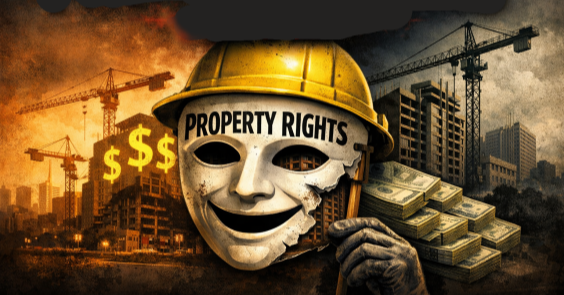
Across Union County and North Carolina, a false narrative is gaining traction on social media: that local control over zoning somehow infringes on property rights. This claim is not rooted in law or in the historic understanding of property rights — it’s rooted in who profits when local control is weakened. In short: when powerful developers lose easy access to land and profit, some choose to claim the system is unfair to them – the property rights lie.
What Zoning Really Is — and What It Isn’t
Zoning is a tool that local governments use to manage growth, protect neighborhoods, and shape communities. It determines where homes, businesses, and industrial uses can go. It reflects the values and choices of residents — whether that’s preserving rural character, protecting schools from heavy traffic, or ensuring safe distances between incompatible uses.
At its core, zoning is precisely about balancing rights, not violating them. Your property rights don’t exist in isolation — they exist in a community of neighbors whose lives and safety are also affected by land use decisions. Local zoning processes include public hearings and elected officials accountable to residents — not distant officials or corporate interests.
So What About Those Claims That Local Zoning “Violates” Rights?
Those claims often come from those who stand to gain financially when zoning rules are weakened — primarily developers and homebuilders. Easier, less restrictive zoning often means higher profits for large-scale residential and commercial projects, with less regard for traffic, infrastructure strain, environmental impacts, or community character. That doesn’t make zoning itself a violation of property rights — just that zoning places limits on what developers can do without community input.
In fact, local control empowers property owners and residents to protect their investments by ensuring orderly, predictable growth. It’s not a violation; it’s protection against unchecked development that can reduce quality of life and property values.
Look at the Money — Campaign Finance Tells the Real Story
If you’re hearing loud claims about “property rights being violated,” it’s worth asking who benefits from that narrative.
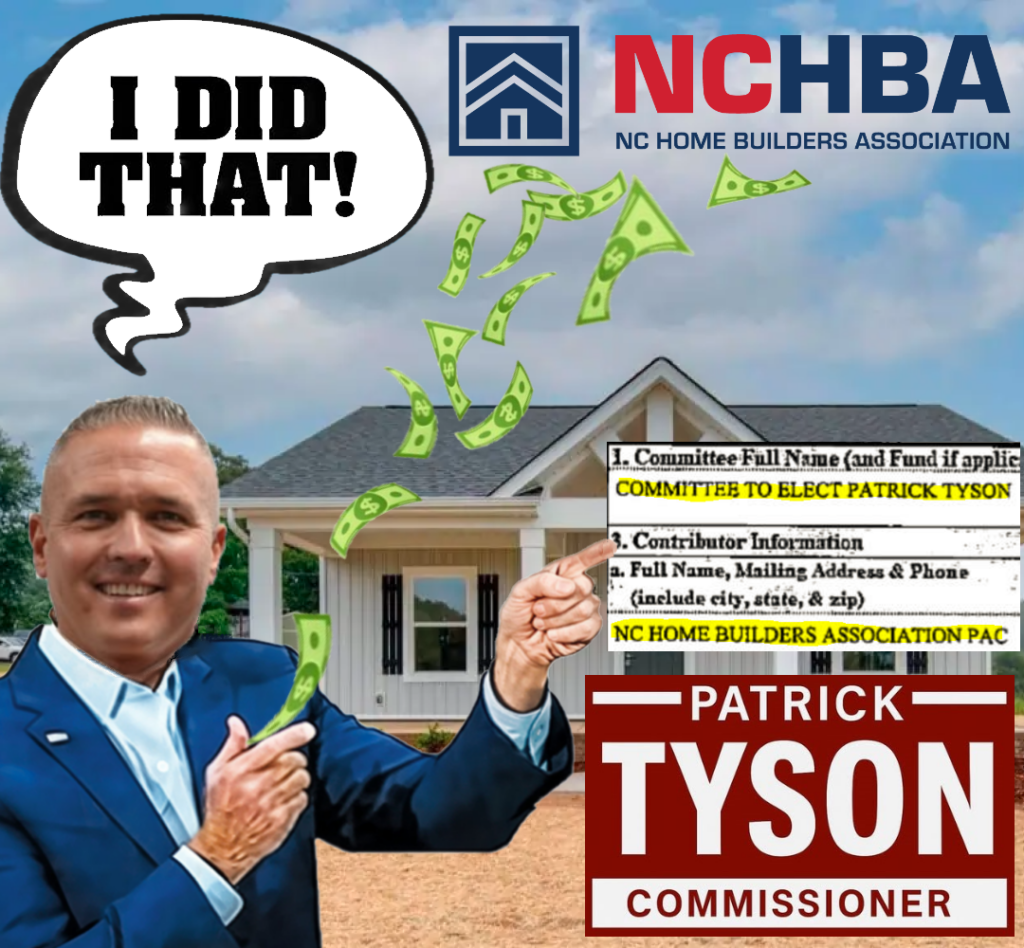
That’s why it’s important to look carefully at the campaign finance reports on the Union County Board of Elections website. See who is contributing to which candidates, especially contributions from developers or homebuilding interests. These are public records, and they can tell you a lot about whose interests a candidate might prioritize once elected.
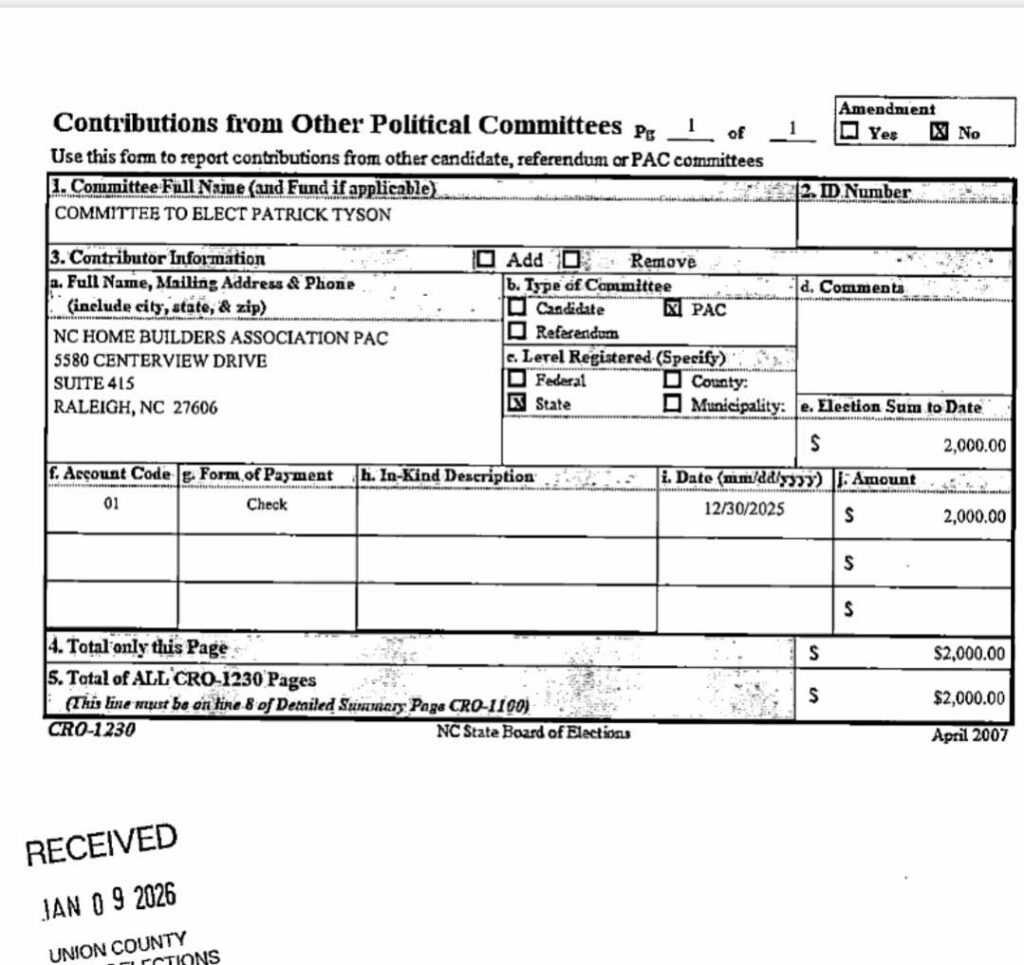
When a narrative about “rights being violated” conveniently aligns with large contributions from powerful building industry actors, that’s not coincidence — that’s strategy. Follow the money.
Powerful Homebuilding Interests at the State Level
At the state level in Raleigh, the homebuilding industry is extremely influential. They lobby hard for laws that limit local regulatory authority so builders can do more with less oversight. When the state government takes control over zoning or development standards, locals lose their voice entirely. Decisions that used to be made in town halls and planning boards get made in committee rooms far away.
Two recent examples show this dynamic clearly:
- At the end of 2024, Senate Bill 382 was passed into law, overriding the governor’s veto and prohibiting local governments from initiating down-zoning without the written consent of the affected property owner. This provision makes it significantly harder for towns and counties to scale back zoning intensity when community needs change.
- In 2025, House Bill 765 was proposed with sweeping changes that opponents described as stripping local governments of much of their ability to regulate growth and zoning — essentially shifting decision-making power to the legislature and defaulting toward development. While not enacted in full, it spurred multiple county boards to adopt resolutions opposing it because of how radically it would reshape local authority.
One especially concerning aspect of HB 765 was language that required minimum density standards statewide — effectively zoning at a baseline level (e.g., allowing development equivalent to six dwelling units per acre by right). That would have overridden local decisions about what density makes sense for your community.
Local Control Isn’t Perfect — But It’s Better Than Centralized Power
No system is without challenges. Zoning can sometimes be misused, and not all local decisions are perfect. But there’s a difference between improving local zoning law through community engagement and stripping communities of control entirely.
Local control means:
- Your neighbors and elected officials make decisions based on local priorities.
- You have a voice in public hearings and planning processes.
- Growth is matched with infrastructure, schools, roads, and services.
State control means:
- Rules are written for the average county, city, and town — not the unique needs of Waxhaw, Monroe, Indian Trail, or Marvin.
- Developers can demand uniform standards that benefit profit margins, not community outcomes.
- Citizen involvement is reduced as decision making moves farther from home.
The Real Threat Isn’t Local Zoning — It’s Those Who Complain About It
The property rights lie that local control over zoning “violates property rights” is a misleading talking point, often spread by those with financial incentives to build more, faster, and with fewer restrictions. Property rights are real and valuable — but they are part of a community context where the public good must also be considered.
Before you accept a narrative at face value, take a look at the campaign finance reports on the Union County Board of Elections site. See who is funding whose campaign and ask whether that money comes from interests aligned with your community’s long-term wellbeing — or the profit motives of absentee developers.
If North Carolina shifts more zoning power to Raleigh, locals will have far less say in shaping their communities — and that’s a loss for everyone who cares about quality of life, community character, and democratic control over growth.